A defined repair
The failure is identifiable, the surrounding material can receive the work and moisture-related removal can be resolved within the scope.
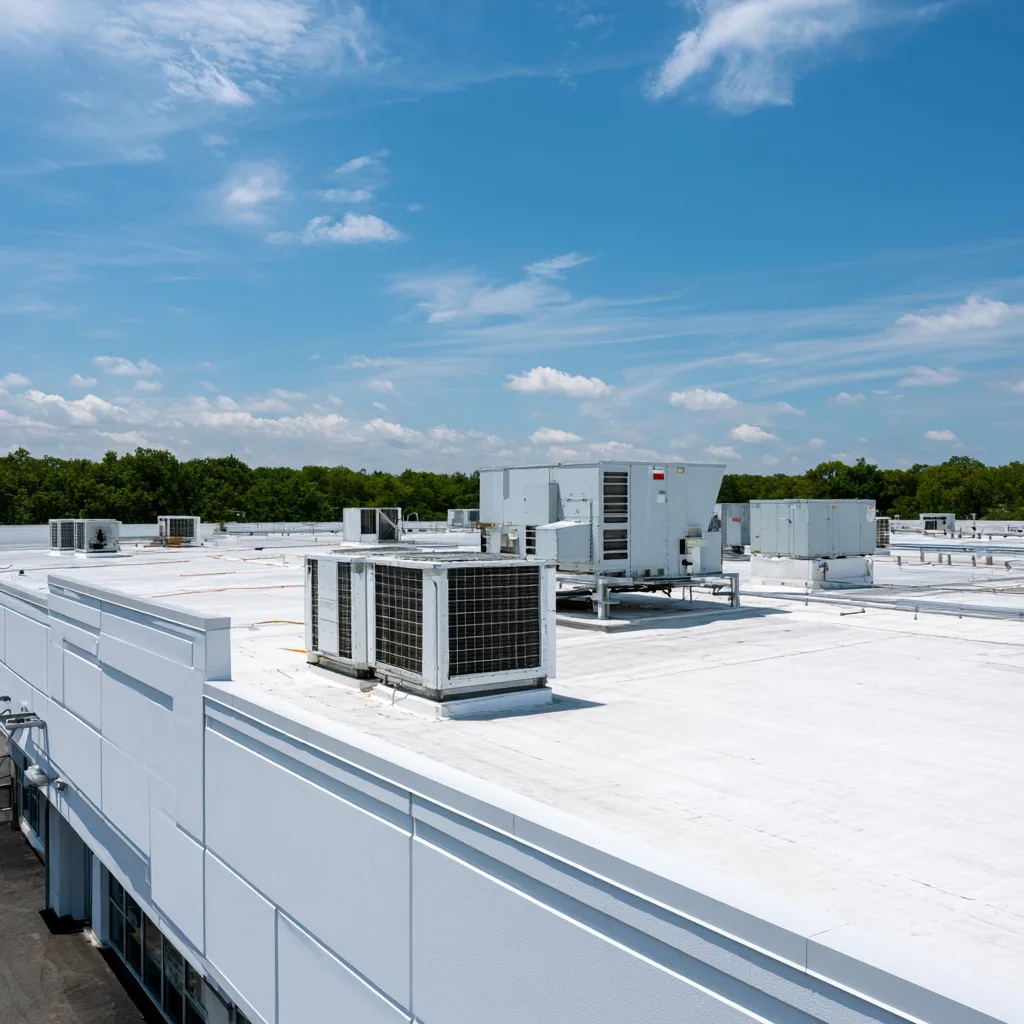
A low-slope roof leak needs the membrane defect and the water path considered together. Seams, curbs, drains and penetrations can require different repairs even when the leak appears in the same tenant space.
Water can travel within an assembly before it reaches the room below. A stain is useful context, but the inspection needs to follow the membrane, flashing and drainage rather than assume the opening is directly above it.
The existing system sets the repair method. A TPO repair, an asphalt-based roof detail and a coated surface need compatible materials and their own preparation and attachment requirements.
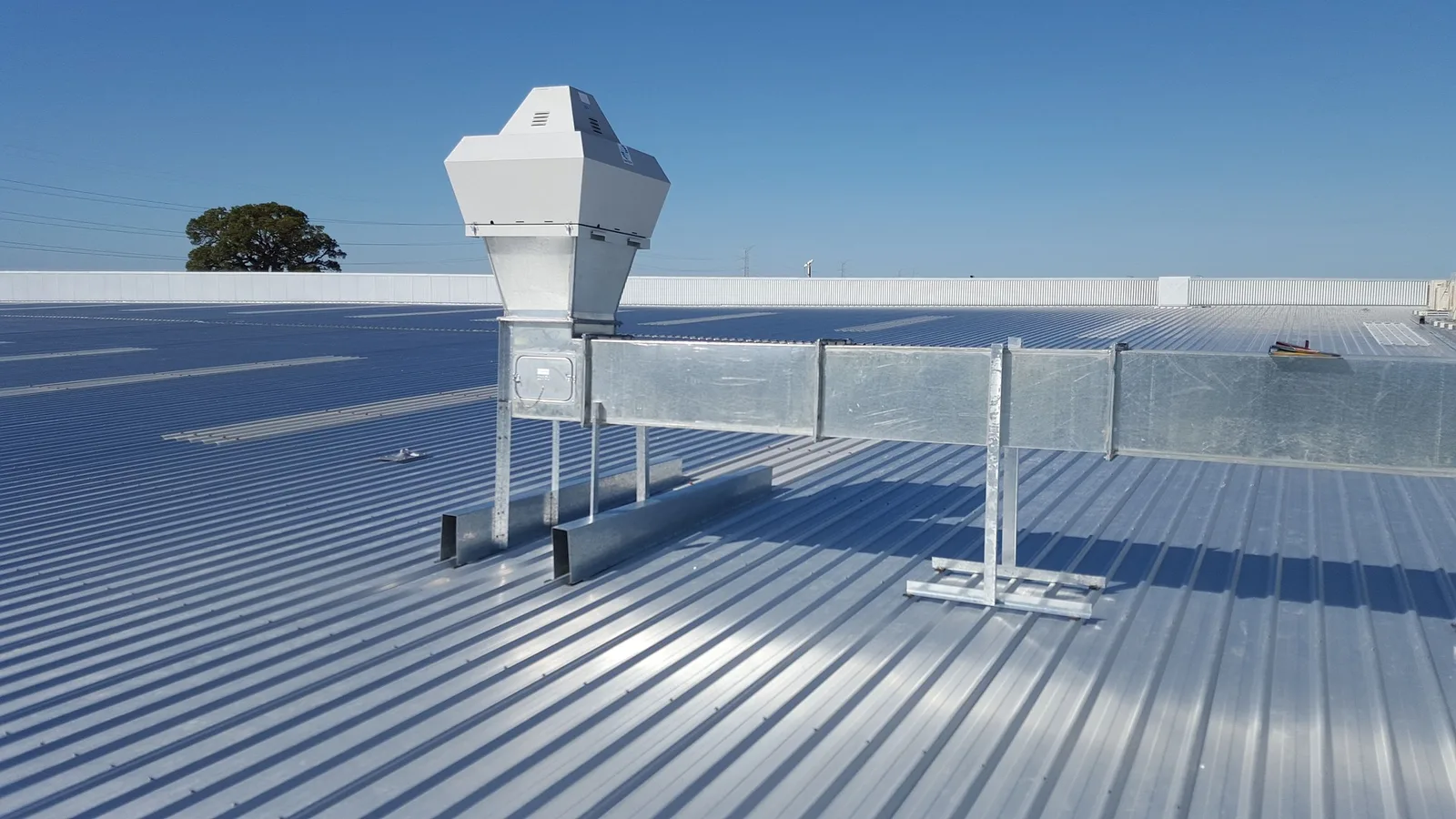
A local defect can be repaired when the surrounding covering is serviceable and the repair can be integrated with sound material. Wet insulation or damaged substrate can extend the work beyond the visible opening.
Drainage is part of the decision. A blocked drain, displaced strainer or depression needs attention alongside a leaking detail; patching the membrane does not remove the cause of standing water.
An open seam or puncture needs a compatible correction bonded or welded to suitable existing material.
Equipment and pipes interrupt the membrane. Their flashing must connect to the roof and remain compatible with movement and service access.
Connections around drains and scuppers need continuity. Water must be able to reach and leave through the intended path.
Repeated local repairs are only useful while the larger assembly remains serviceable.
The failure is identifiable, the surrounding material can receive the work and moisture-related removal can be resolved within the scope.
Widespread wet materials, separate recurring failures or a deteriorated covering call for evaluation of restoration or replacement.
Tell us about the building, its roof system and where water or wear has become a concern. A free roof inspection is a useful place to begin.