A surface patch
Covering a visible crack can be temporary protection. It can also conceal a connection that still sends water behind the roofing.
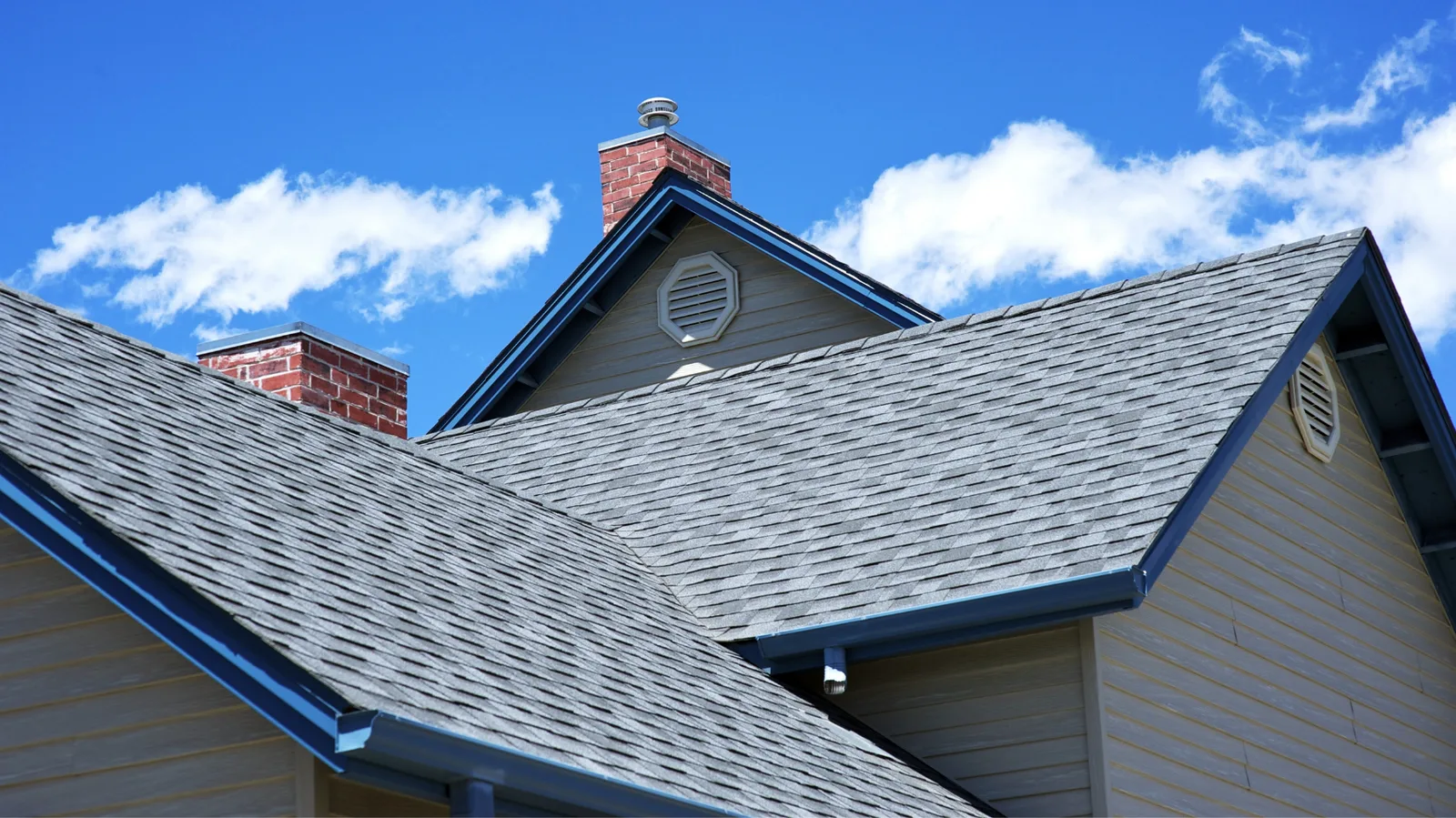
Flashing carries water past the places where a roof meets a wall, chimney or penetration. A leak at one of those details needs more than a fresh bead of sealant over the surface.
Roofing layers have to overlap in the direction water travels. At a wall, step flashing works course by course with the shingles. At a chimney, base and counterflashing work together to keep water moving onto the roof instead of behind it.
When those connections separate, corrode or end in the wrong place, water has a route into the assembly. Correcting the detail can require lifting surrounding material and rebuilding the connection.
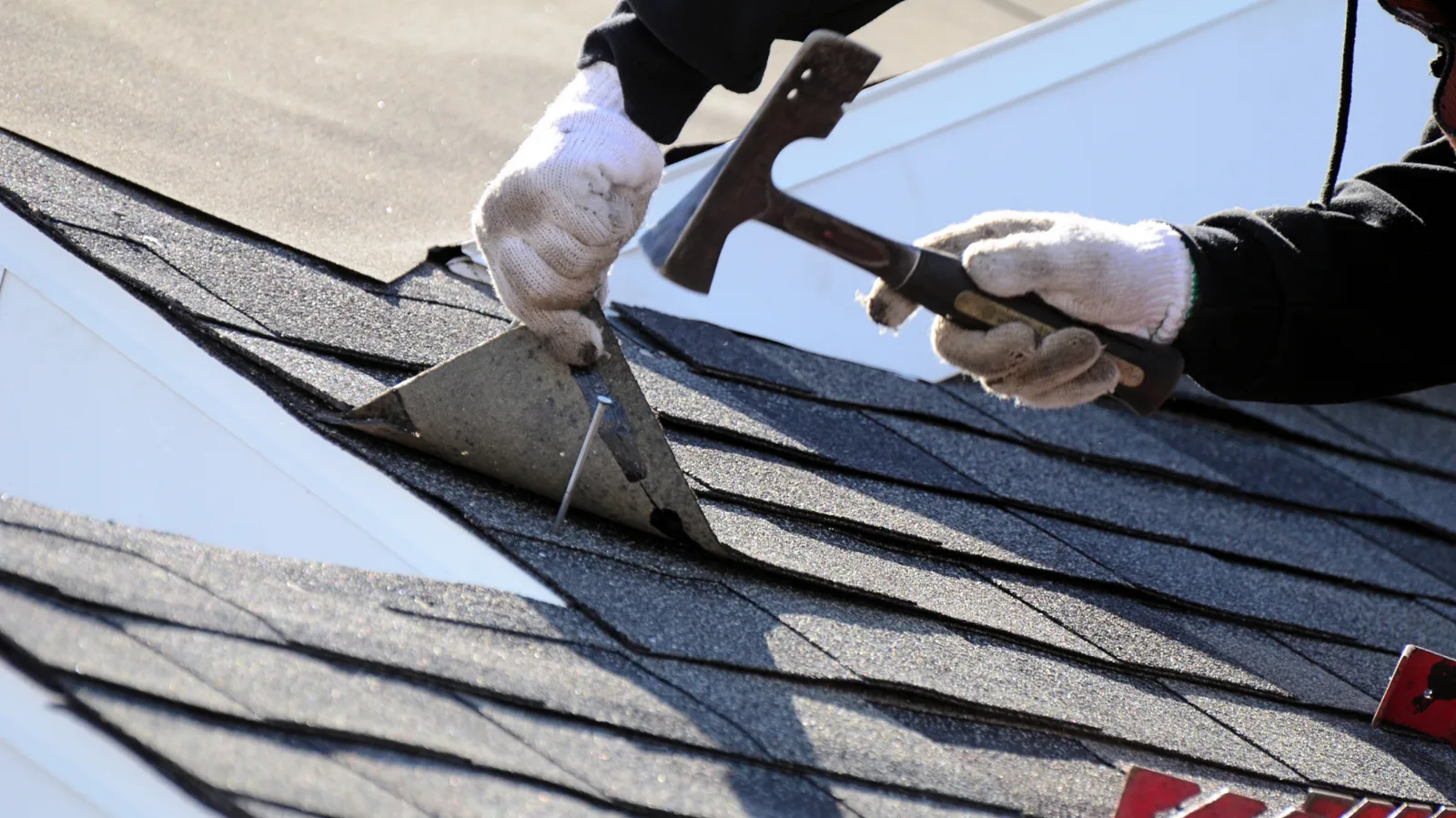
The right repair depends on the intersection. A pipe boot, chimney and sidewall do not use the same detail. The condition of the nearby shingles, siding or masonry also affects how the work can be integrated.
Step flashing needs to be integrated with the shingle courses and wall water-control layer. The lower end must direct water away rather than behind the wall.
Base flashing sheds water at the roof; counterflashing protects the upper connection. Masonry or structural deterioration can be a separate trade concern.
A cracked boot or loose flange can let water follow the penetration. A compatible replacement must be correctly tied into the covering.
Sealant has a role where a detail calls for it. It does not replace the water-shedding shape and laps of the flashing.
Covering a visible crack can be temporary protection. It can also conceal a connection that still sends water behind the roofing.
Open enough of the surrounding assembly to restore the flashing and its laps, address damaged substrate and reconnect the covering.
Tell us what you have noticed and where the property is. A free roof inspection helps put the next decision in focus.