Standing seam
Raised panel seams and concealed attachment can keep fasteners out of the open water-shedding field. Clip, seam and movement requirements depend on the selected system.
A metal roof is a panel system, an attachment method and a set of movement and flashing details. Choose those together so the roof fits the building and its slope.
Panels move as temperatures change. Their attachment and the details at hips, valleys, walls and penetrations must account for that movement while directing water away. The correct minimum slope and panel length come from the selected system.
An existing roof also needs evaluation for deck support, layers, transitions and the planned installation method. A shingle budget does not supply an installed metal-roof price.
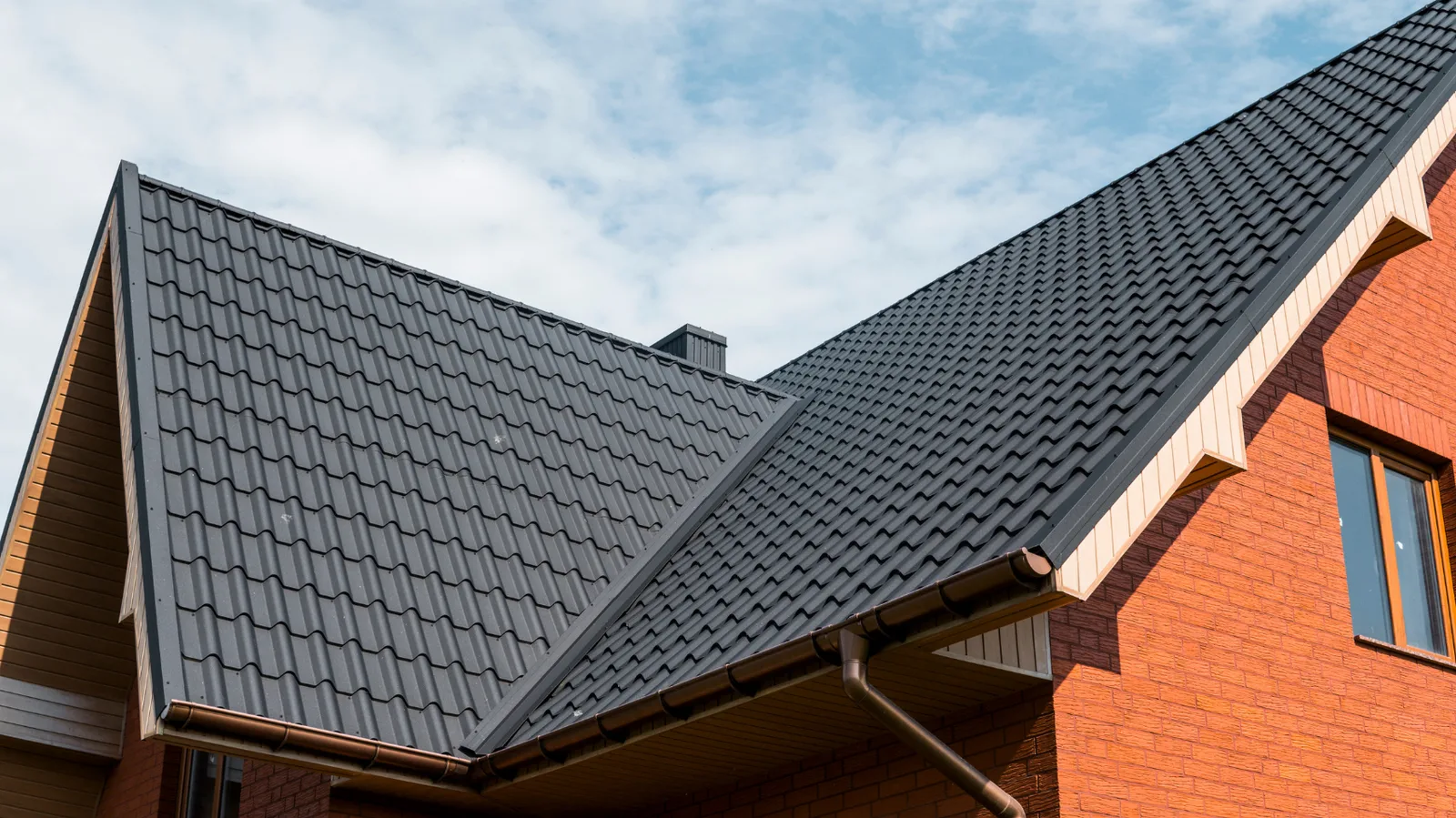
Two familiar metal-roof approaches use different fastening details.
Raised panel seams and concealed attachment can keep fasteners out of the open water-shedding field. Clip, seam and movement requirements depend on the selected system.
Fasteners pass through the panels with the specified sealing components. Installation and later care need to account for those penetrations, the selected panel and the roof’s movement.
Appearance is one part of the decision. The roof slope, supporting deck, penetration locations and material compatibility also shape what will work.
Sealants and dissimilar-metal contact require attention to the selected system. Equipment supports, chimneys and walls should have purposeful details rather than improvised cuts around the obstruction.
Match panel profile and attachment to slope, building requirements and manufacturer details.
Valleys, edges and connections to other roof coverings need a clear water path.
Keep the product information, finish terms and required maintenance with the roof record.
Tell us what you have noticed and where the property is. A free roof inspection helps put the next decision in focus.