Repair a limited defect
Keep a serviceable roof in use when the opening is local, adjoining material can be handled and the failed detail can be reconstructed. A pipe boot or small damaged area does not by itself require a new roof.
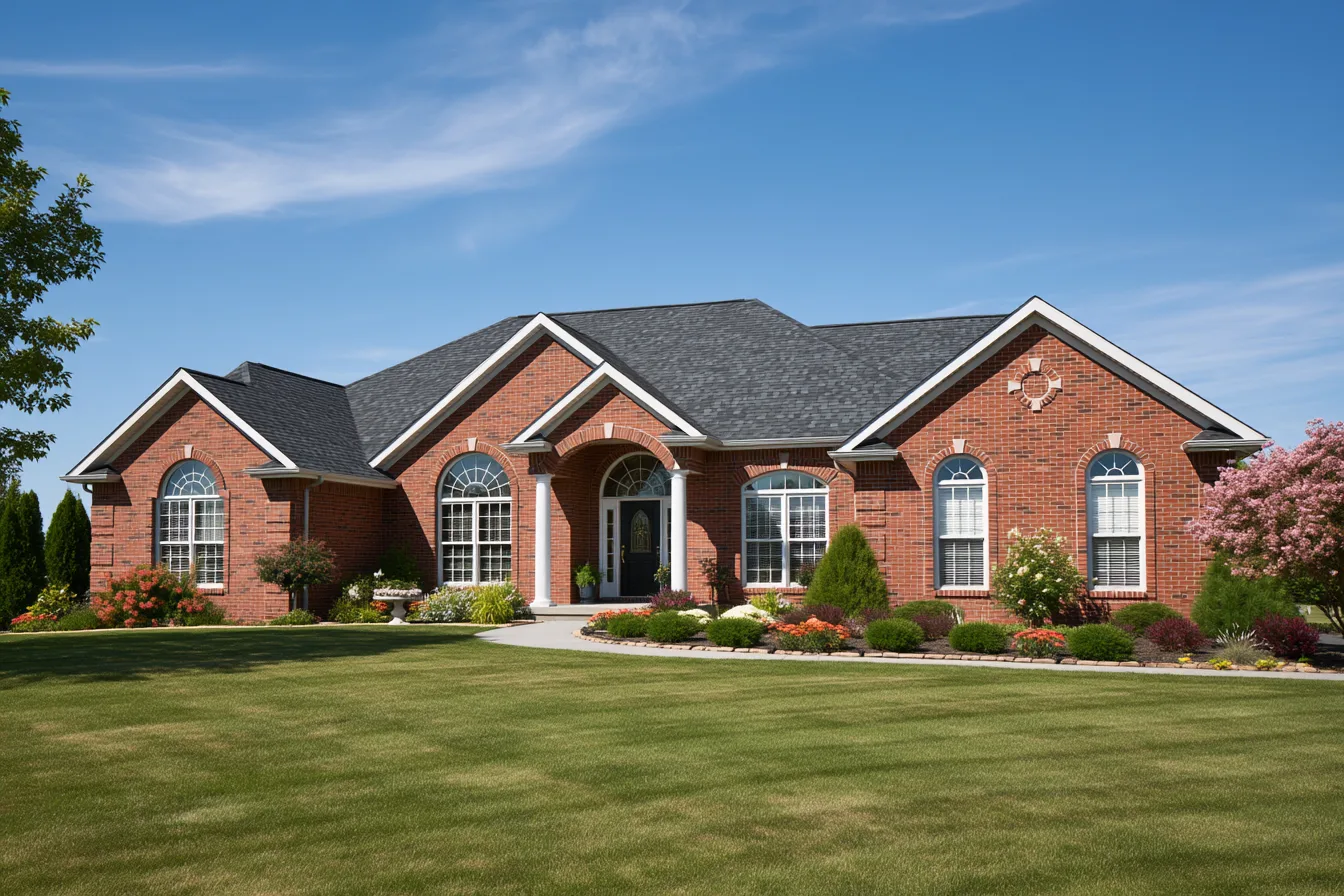
A roof replacement is the chance to put the whole water-shedding assembly in order. Plan the shingles or panels together with the deck, flashing, edges and ventilation that support them.
A roof can reach the point where another repair has too little sound material to work with. Widespread brittle shingles, recurring failures across separate slopes or damage extending through the assembly all change the repair decision.
Replacement removes the old covering so the underlying deck and roof details can be addressed. The benefit is a complete scope: a fastening surface that holds, compatible layers and transitions that direct water off the building.
An inspection helps establish whether the roof has reached that stage. If a focused repair remains sensible, that option belongs in the conversation too.
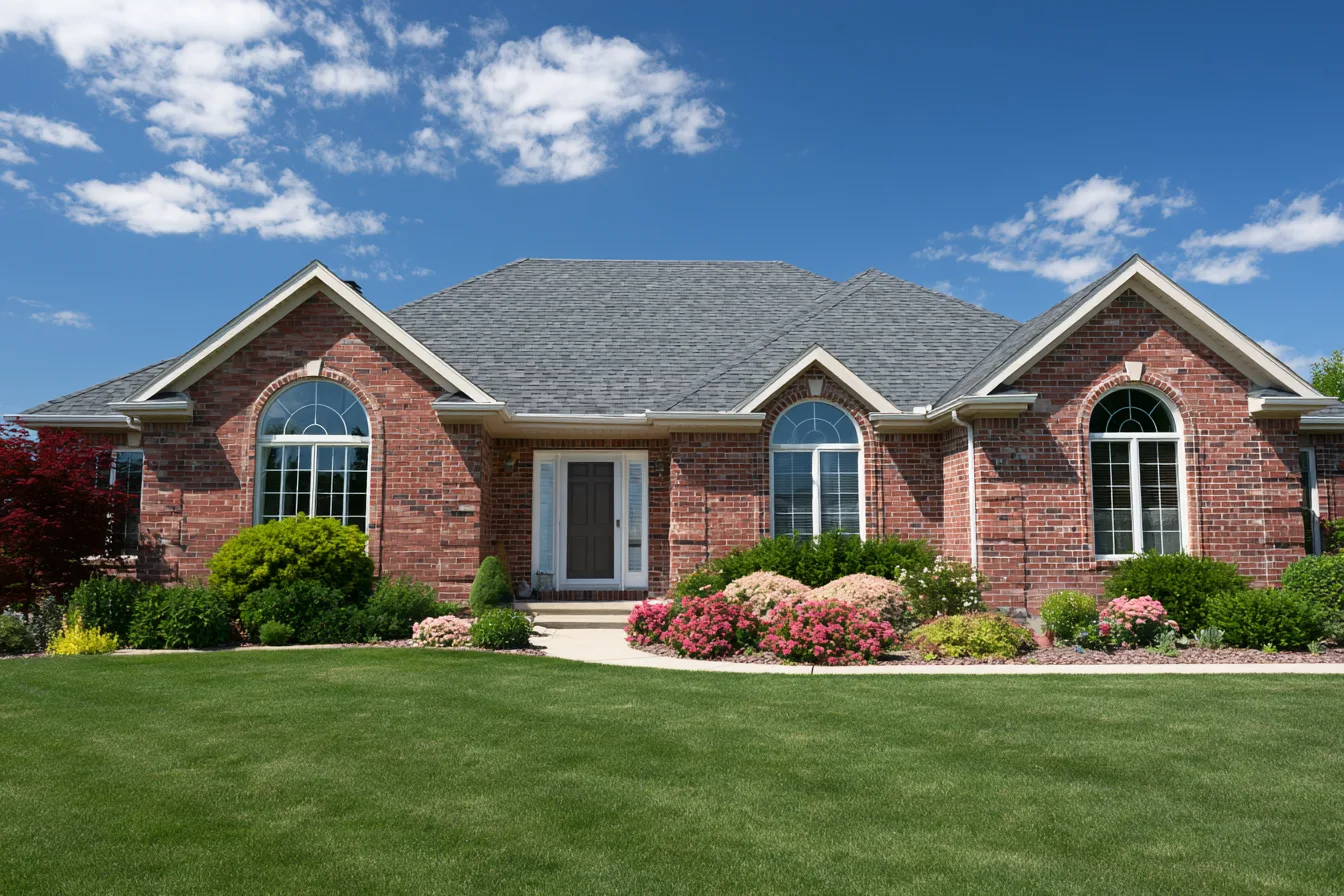
Age is context. The condition of the roof and the work needed determine the practical choice.
Keep a serviceable roof in use when the opening is local, adjoining material can be handled and the failed detail can be reconstructed. A pipe boot or small damaged area does not by itself require a new roof.
Consider the whole roof when wear is spread out, repairs break surrounding shingles or the project needs to resolve several failing details. Replacing the covering without addressing the deck or flashing leaves too much of the old problem behind.
The new surface is the visible result. The work beneath and around it decides how the assembly comes together.
Plan access, material delivery, debris handling and protection of the property. Remove the existing covering according to the agreed scope so the deck is available for evaluation.
Resolve deteriorated decking, then coordinate underlayment, valley protection, roof edges and flashing at walls and penetrations. Hidden wood replacement needs a clear scope allowance.
Fasten the selected material to its requirements and coordinate intake/exhaust details. Complete ridges, hips and penetrations as part of the same system, then finish debris removal and the project closeout.
For Oklahoma / Oklahoma City area planning, an architectural-asphalt replacement example is $9,000 to $15,000 for 2,000 square feet of measured roof surface. The regional unit benchmark is $4.50 to $7.50 per roof-surface square foot.
These examples assume one existing layer, ordinary access, moderate complexity and usable decking. Wood replacement, additional layers and work by other trades are separate. The October 2026 planning model supports roof-surface examples from 1,500 to 3,000 square feet.
| Choice or condition | What it changes |
|---|---|
| Roof surface and shape | Roof surface is larger than the footprint on a sloped roof. Hips, valleys, dormers and steep access add detail work. |
| Material selection | Architectural shingles, specialty shingles and metal systems have different fastening, accessories and scopes. Only architectural asphalt is priced in this planning model. |
| Deck and existing layers | Damaged wood and additional removal can change a project after the roof is opened. |
| Budget tool | Use a supported size to see the regional planning range. Open the roof cost calculator |
Tell us what you have noticed and where the property is. A free roof inspection helps put the next decision in focus.