Repair a serviceable system
Compatible patches and detail repairs can fit an identifiable defect when the surrounding membrane and underlying assembly are suitable.
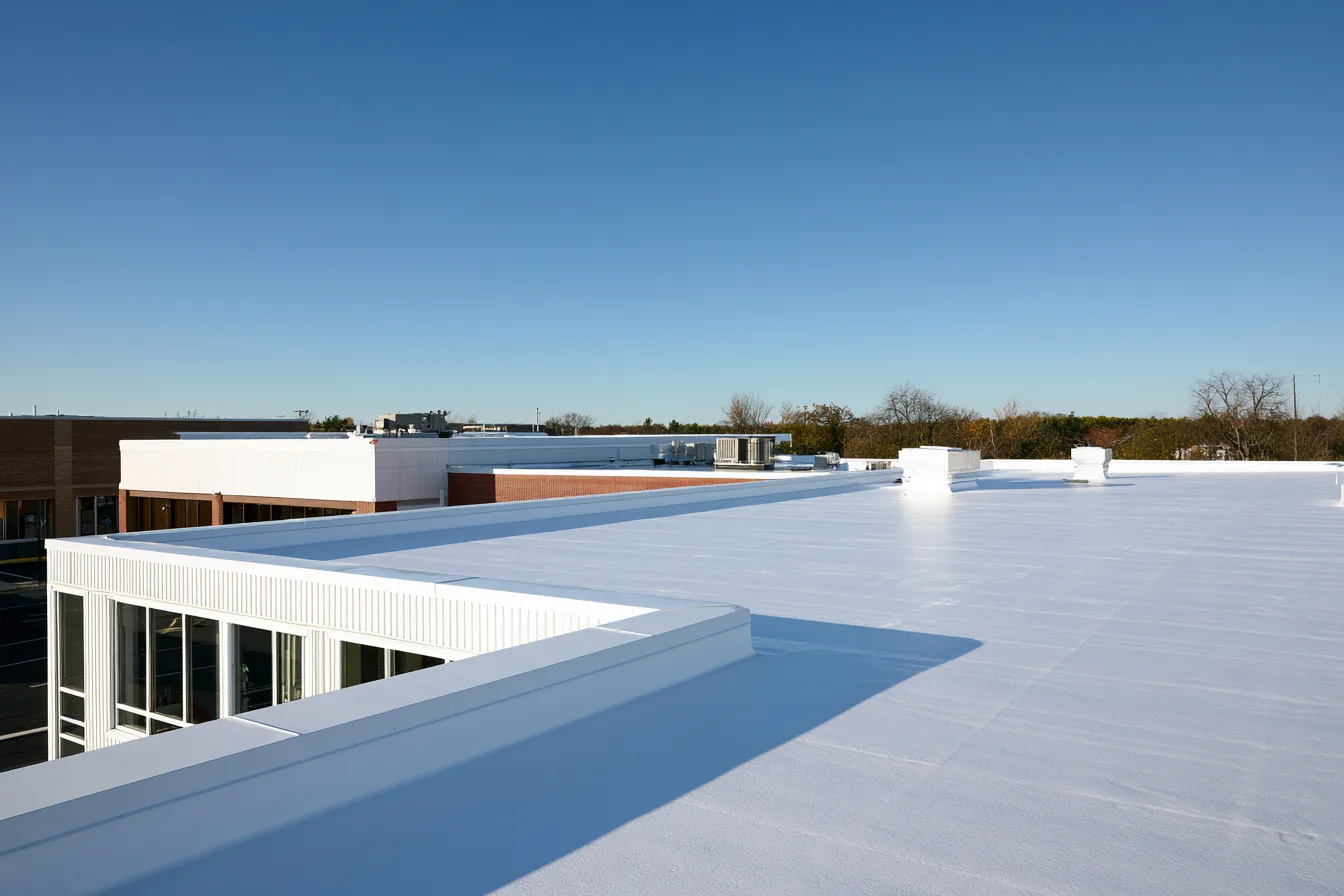
TPO is a thermoplastic single-ply roofing membrane. Its performance depends on the attachment, heat-welded seams and carefully built details at the edges, drains and equipment curbs.
The open membrane field is only one part of a TPO roof. Seams join the sheets, while flashings connect the covering to walls, curbs and penetrations. Those interruptions need compatible components and the selected manufacturer’s details.
A leak inspection follows the membrane and the water path. A visible seam opening, puncture or curb defect can be local, while moisture beneath the membrane can require a broader investigation.
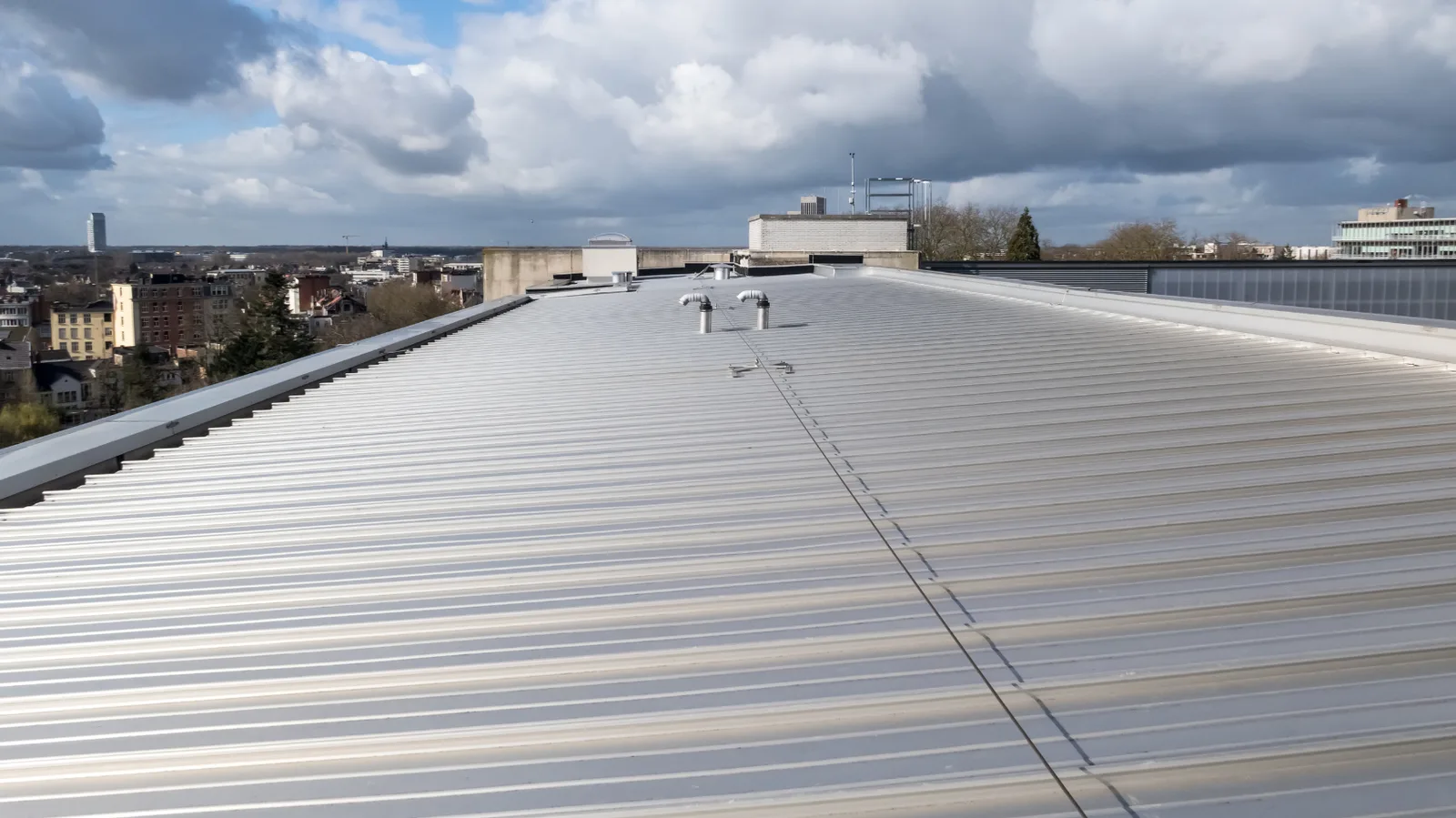
Mechanically attached and fully adhered assemblies use different approaches to securing the roof. The appropriate choice depends on the deck, design requirements and selected system.
Insulation, attachment, perimeter details and the intended warranty assembly need to be planned together. A thicker membrane alone does not settle every system decision.
Resolve how the membrane and insulation attach to the supporting deck, including the perimeter and corners.
Heat welding needs suitable conditions and verification. Curbs, drains and penetrations need their own system details.
Coordinate access for mechanical service and protection along traffic routes so later work does not damage the covering.
The existing assembly determines whether a TPO roof needs a repair or a larger project.
Compatible patches and detail repairs can fit an identifiable defect when the surrounding membrane and underlying assembly are suitable.
Widespread deterioration, wet insulation or unsound attachment changes the decision. Evaluate existing layers, loading, deck and code conditions before choosing the new assembly.
Tell us about the building, its roof system and where water or wear has become a concern. A free roof inspection is a useful place to begin.