A serviceable roof
A focused repair can fit when the damaged section can be replaced without relying on failing material around it.
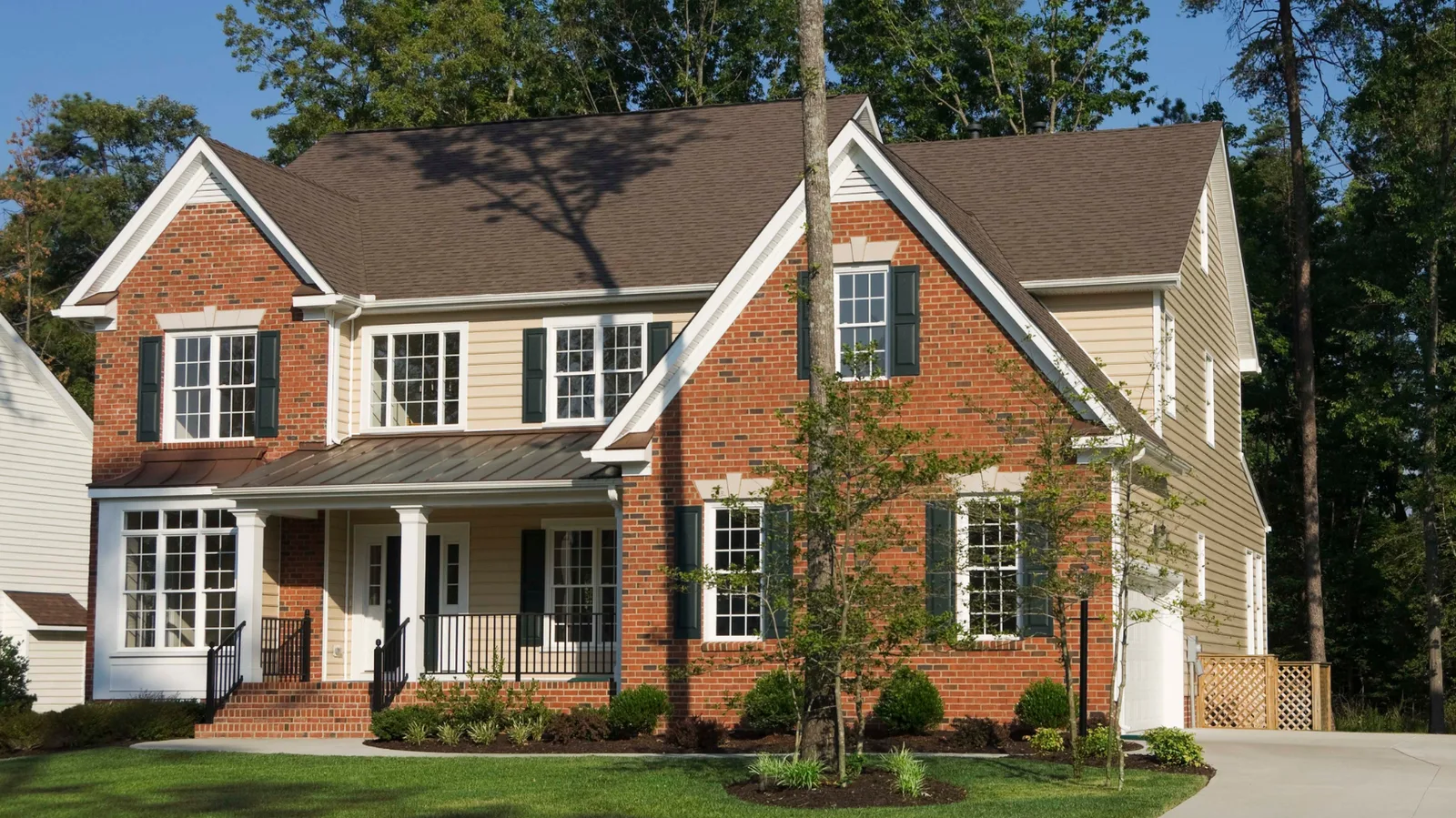
Hail nearby is a reason to have the roof looked at, not a diagnosis. A property-specific inspection helps distinguish damage, wear and roofing details that need repair.
Hail effects depend on the covering, the impact and the condition of the assembly. A dent in a metal accessory does not by itself establish that the shingles have lost their ability to shed water.
The inspection considers the covering and roof details together. The useful question is what condition needs correction and whether that correction can be made within serviceable adjoining material.

A storm date and the concern you noticed help start the conversation. You do not need to climb onto the roof or mark the surface yourself.
A roof inspection also considers existing wear and unrelated failures. That distinction matters because roofing work and insurance payment do not follow automatically from the same observation.
Determine the actual defects and the amount of repairable, sound surrounding material.
A limited damaged area, a failed detail and a whole-roof replacement involve different physical work.
Cosmetic restrictions, deductibles and coverage terms come from the policy and insurer.
The material decision is useful whether or not an insurance claim is involved.
A focused repair can fit when the damaged section can be replaced without relying on failing material around it.
If replacement is appropriate, compare shingle construction and tested impact performance with the rest of the assembly. Impact resistance is a tested characteristic, not a promise that a roof cannot be damaged.
Tell us what you have noticed and where the property is. A free roof inspection helps put the next decision in focus.